Decoding Rate Variables Across Integrated Billing Ecosystems for Service Providers
Viktor Schmidt · May 27, 2026
Decoding Rate Variables Across Integrated Billing Ecosystems for Service Providers
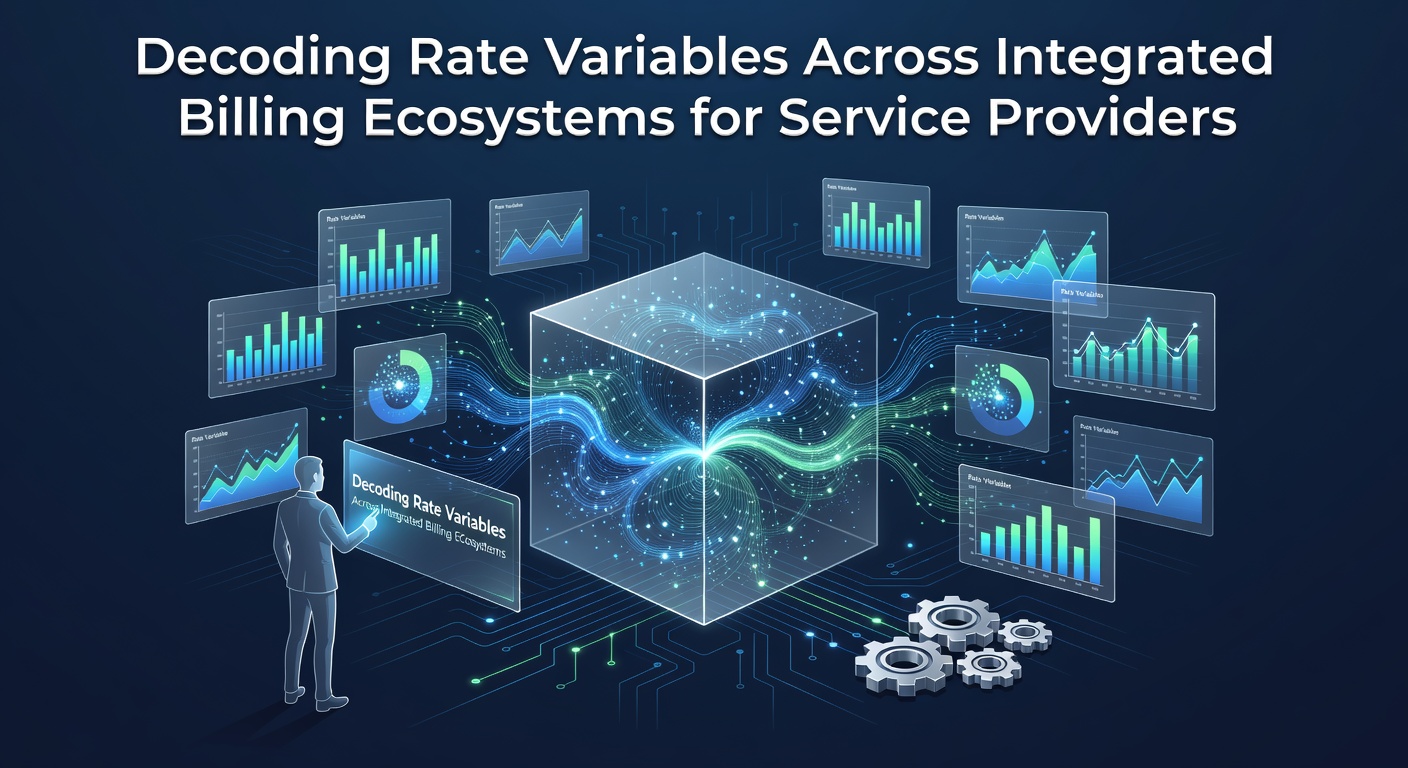
Service providers in telecommunications, utilities and cloud computing rely on integrated billing ecosystems that apply multiple rate variables to calculate charges for customers, and these systems combine base fees with usage metrics, time-of-day adjustments and volume discounts to produce accurate invoices across platforms.
Rate variables typically fall into categories that include fixed recurring charges, per-unit consumption rates and conditional modifiers such as peak-period multipliers or loyalty-based reductions, while integrated platforms pull data from customer relationship management tools, usage monitoring sensors and contract databases to apply the correct combination for each account.
Core Components of Rate Structures
Observers note that base rates establish the foundation for most billing calculations, and these fixed amounts cover access to services regardless of consumption levels yet often combine with variable elements that scale according to measured activity. Researchers at institutions tracking utility markets have documented how tiered pricing layers additional variables on top of base rates, so that consumption crossing defined thresholds triggers higher or lower per-unit charges depending on the provider's published schedule.
Contract length and customer segment further modify these calculations, because enterprise agreements frequently embed negotiated discounts that override standard published rates while residential accounts follow publicly filed tariffs. Data from regulatory filings shows that service providers in Canada and Australia maintain separate rate tables for each segment to comply with oversight requirements from bodies such as the Canadian Radio-television and Telecommunications Commission and the Australian Competition and Consumer Commission.
Integration Across Multiple Data Sources
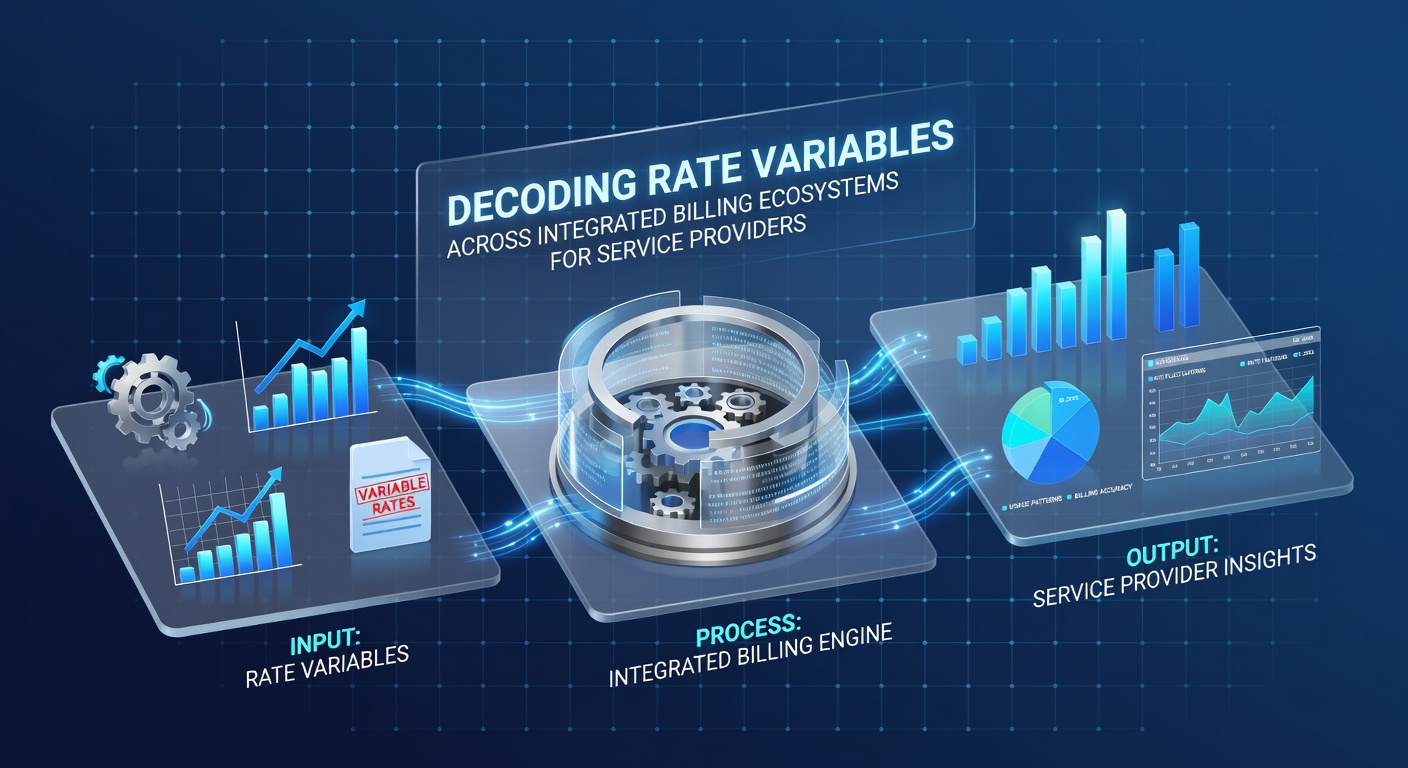
Integrated billing ecosystems connect usage collection systems with pricing engines that evaluate dozens of conditional variables in real time, and this process requires consistent data formatting so that a single customer record can trigger the correct rate application without manual intervention. When a cloud service provider aggregates compute hours, storage volume and data transfer metrics from separate monitoring tools, the billing platform must map each metric to its corresponding rate variable before generating the final charge.
Those who manage these platforms report that synchronization issues arise when one data source updates at a different frequency than others, which can produce temporary discrepancies that later require adjustment credits. Studies examining billing accuracy across European providers have found that automated reconciliation routines reduce such discrepancies by cross-checking usage totals against contract terms and applying corrections before invoices reach customers.
Dynamic Adjustments and External Influences
External factors introduce additional rate variables that change over time, and seasonal demand patterns, regulatory updates and fuel cost indices can all trigger automatic adjustments within integrated systems. In May 2026 several North American utilities implemented revised time-of-use schedules that altered peak and off-peak multipliers after new grid reliability data became available, demonstrating how these variables respond to broader operational conditions.
Providers that operate across multiple jurisdictions must maintain parallel rate tables because tax rates, subsidy programs and environmental surcharges differ by region, and the billing platform applies location-specific variables based on service address rather than customer headquarters. Observers tracking these multi-region deployments note that mapping customer locations to the correct regulatory overlay represents one of the more complex aspects of system configuration.
Case Examples from Industry Practice
One telecommunications provider serving both wireline and wireless customers maintains an integrated platform that evaluates call detail records alongside data usage and equipment rental fees, applying different rate variables to each service category while honoring bundled discount structures for customers subscribed to multiple offerings. The system evaluates volume commitments monthly and retroactively adjusts charges when cumulative usage crosses predefined bands.
Another example involves a regional energy provider that integrates smart meter readings with weather data feeds to apply temperature-dependent rate modifiers during extreme conditions, and this approach allows the platform to calculate demand-response credits automatically for participating customers without separate manual processes. Figures released by industry associations indicate that such automated variable application has reduced billing cycle times by measurable percentages across participating utilities.
Conclusion
Decoding rate variables requires service providers to maintain clear documentation of every conditional factor and its interaction rules within the integrated ecosystem, because accurate application depends on consistent data inputs and correctly configured pricing logic. Regulatory bodies continue to emphasize transparency in how these variables are disclosed to customers, and providers that update their systems to reflect new requirements maintain compliance while preserving the flexibility to adjust rates as market conditions evolve.