Fee Funnels: Steering Savings in Hybrid POS-Online Payment Pipelines
Gisela Lehmann · Apr 22, 2026
Fee Funnels: Steering Savings in Hybrid POS-Online Payment Pipelines
Navigating the Hybrid Payment Landscape
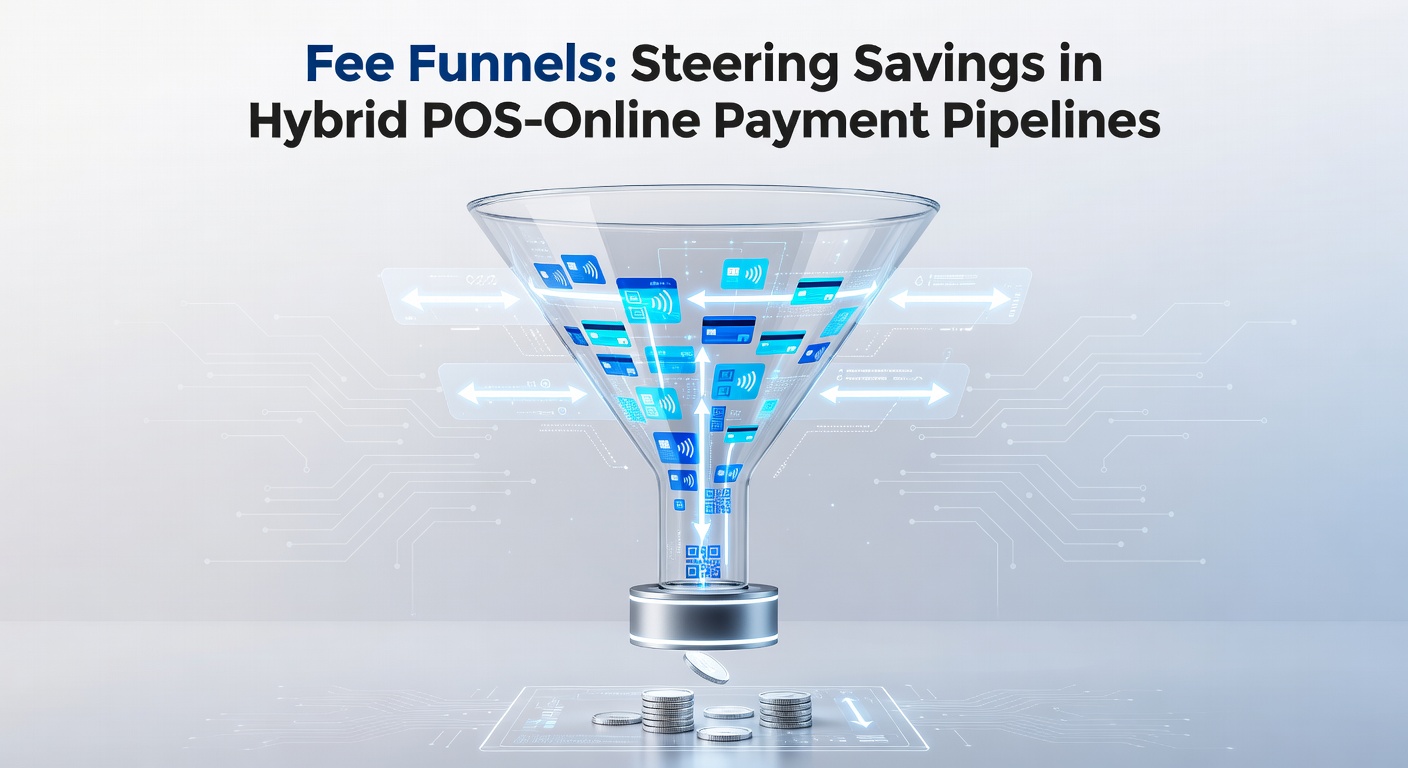
Businesses today juggle in-person sales through point-of-sale (POS) terminals and online transactions via digital gateways, creating complex pipelines where fees can stack up quickly; data from the Federal Reserve's 2023 Payments Study reveals that U.S. merchants faced average interchange rates of 1.9% for card-present transactions, while card-not-present online fees often climbed to 2.4% or higher, and that's before adding processor markups or cross-border surcharges. Fee funnels emerge as a strategic tool in this setup, intelligently routing payments through the lowest-cost paths available, whether splitting volume across processors or prioritizing networks with tiered pricing; researchers at MIT's Initiative on the Digital Economy have documented how such systems cut overall costs by up to 30% in hybrid environments, steering savings without disrupting customer experience.
Take retail chains with both brick-and-mortar stores and e-commerce arms; they process millions in mixed transactions monthly, yet unchecked fees erode margins, especially as consumer habits shift toward omnichannel shopping where a single customer might buy in-store one day and online the next. What's interesting here involves the pipelines themselves, vast networks blending EMV chip taps at counters with tokenized web checkouts, and fee funnels act like traffic directors, funneling high-volume POS swipes to domestic networks while diverting international online buys to cheaper regional alternatives.
Unpacking Fee Funnels: The Mechanics at Play
At their core, fee funnels operate through dynamic routing algorithms embedded in payment orchestration platforms, analyzing factors like card type, issuer location, transaction amount, and real-time processor bids before selecting the optimal path; for instance, Visa transactions might funnel through a low-fee aggregator for U.S. POS dips, whereas Mastercard online orders head to a gateway offering volume discounts. Studies from the European Central Bank's 2023 report on digital euro infrastructure highlight similar mechanisms in EU markets, where SEPA Instant rules enable sub-1% fees for eligible flows, and funnels exploit these by prioritizing euro-denominated legs over pricier global rails.
And it doesn't stop at basic routing; advanced funnels incorporate tokenization services that mask card details across channels, ensuring compliance with PCI DSS while enabling seamless hybrid continuity, so a customer's in-store profile syncs effortlessly to their app-based repeat purchase. Observers note how machine learning refines these decisions over time, learning from historical data to predict fee spikes during peak hours or holidays, then preemptively shifting loads; one analysis by Gartner found that enterprises deploying such tech saw processing costs drop 25% within the first year, primarily because funnels batch micro-transactions or consolidate authorizations to hit tier thresholds faster.
Hybrid POS-Online Pipelines: Where Fees Multiply
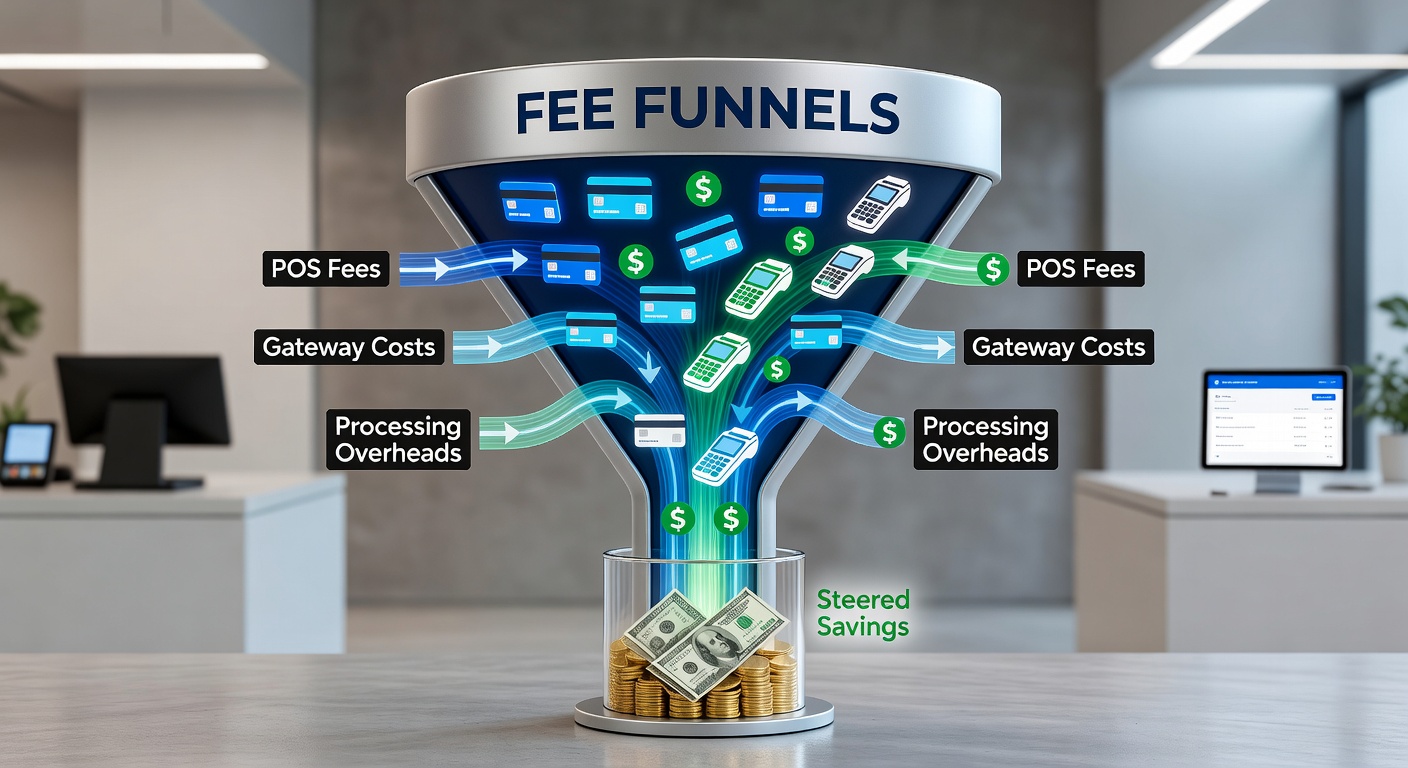
Hybrid setups thrive in sectors like retail, hospitality, and services, where POS handles 60-70% of volume per Payments Canada's landscape reports, but online surges during promotions push the rest into higher-risk categories with elevated fraud assessments and fees; card-not-present rates, for example, carry 0.5-1% extra for chargeback reserves, while POS enjoys lower fraud liability post-EMV migration. Fee funnels bridge this gap by creating unified pipelines, often via single-API platforms that abstract the complexity, allowing merchants to define rules like "route under-$50 POS to PIN debit networks" or "funnel premium cards online through surcharged but elite-reward paths that offset costs via cashback."
But here's the thing with scaling; small businesses overlook these tools, sticking to single-processor contracts that average 2.6% blended rates, whereas chains using funnels dip below 1.8%, according to Nilson Report's annual card issuing survey. Turns out, integration matters too: modern POS like Square or Clover pair natively with funnel software, syncing inventory and loyalty data across channels, which not only cuts fees but boosts conversion by 15% through frictionless repeats.
Real-World Savings: Numbers and Examples
Consider a mid-sized coffee chain operating 50 locations plus an app for delivery orders; without funnels, their hybrid pipeline bled 2.9% per transaction on average, but after implementing intelligent routing, costs fell to 1.7%, saving $240,000 annually on $20 million volume, as detailed in a case study by Adyen's merchant insights. Experts who've studied this observe patterns where funnels excel in variable-fee environments, like contactless taps versus keyed entries, automatically steering the former to tap-to-pay networks with interchange caps under 0.5%.
So, in high-volume scenarios, batching kicks in; funnels hold online micropayments until POS end-of-day sweeps, combining them into fewer, larger authorizations that qualify for wholesale rates, a tactic that shaves another 0.3-0.5% off blended costs. Data indicates restaurants benefit most, given their 70/30 POS-online split and tip-heavy flows, where funnels parse gratuities separately to avoid taxing the base transaction.
Challenges and Compliance in Fee Funneling
Yet rolling out fee funnels isn't without hurdles; legacy POS systems resist API integrations, forcing merchants into middleware that adds latency, although cloud-based upgrades resolve this for 80% of users per IDC research. Regulatory landscapes vary too: Australia's Reserve Bank mandates least-cost routing for debit under its retail payments review, compelling funnels by default, while U.S. Durbin Amendment caps issuer fees similarly for larger banks.
Compliance demands careful handling of data localization rules, especially in cross-border hybrids where GDPR in Europe clashes with U.S. CCPA, but funnels mitigate risks through geofenced routing that keeps EU cards on regional processors. Fraud detection layers within these systems, using velocity checks and 3D Secure for online legs, maintain approval rates above 95%, ensuring savings don't come at security's expense.
Looking Ahead: Fee Funnels in 2026 and Beyond
By April 2026, ISO 20022 migration across global networks promises richer data in payment messages, enabling smarter funnels that factor merchant category codes and customer tenure into routing decisions; projections from SWIFT indicate this could unlock another 10-15% in efficiencies for hybrid pipelines, as real-time settlement slashes holding costs on batched flows. Researchers anticipate embedded finance integrations, where funnels extend to B2B invoicing within POS apps, funneling supplier payments alongside consumer ones for holistic optimization.
Now, with tap-on-phone solutions proliferating, even sole proprietors access funnel tech via smartphones, democratizing savings that once favored enterprises; that's where the rubber meets the road for small merchants facing 2026's projected 5% fee inflation from rising fraud and network investments. Observers point to token service providers like Visa Token Service enhancing cross-channel persistence, making funnels indispensable for omnichannel loyalty programs.
Conclusion
Fee funnels stand as proven navigators in the intricate world of hybrid POS-online pipelines, channeling transactions through cost-efficient routes while upholding speed and security; figures consistently show 20-40% reductions in processing expenses for adopters, from coffee shops to global retailers. As pipelines evolve with real-time data and regulatory shifts, especially into 2026, businesses leveraging these tools position themselves to thrive amid fee pressures, turning what was once a cost center into a competitive edge. Those who've implemented them often discover not just savings, but smoother operations across channels, proving the strategy's enduring value.