Fund Release Schedules: Unpacking Delays in Multi-Method Payment Acceptance for Service Renewals
Viktor Schmidt · Jun 5, 2026
Fund Release Schedules: Unpacking Delays in Multi-Method Payment Acceptance for Service Renewals
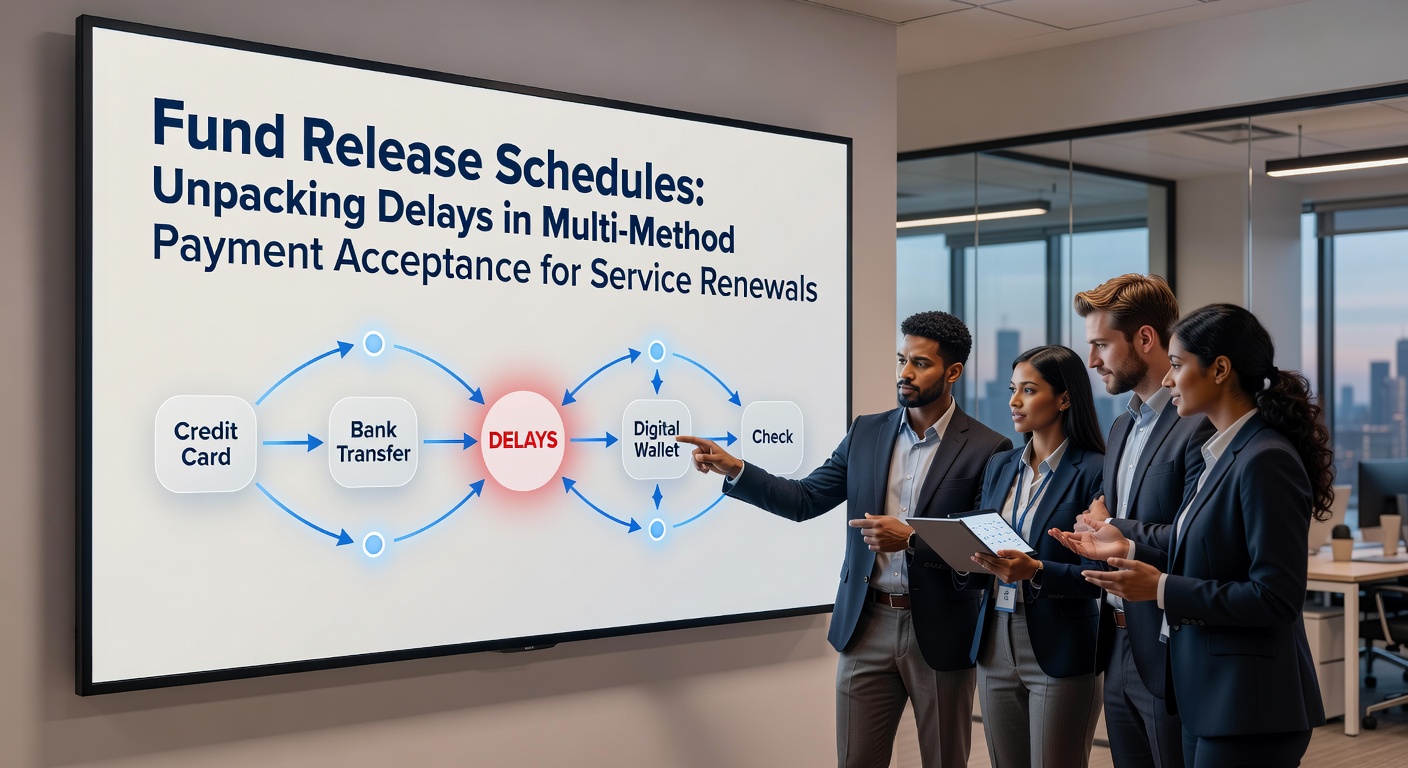
Service providers who accept multiple payment methods for recurring renewals encounter fund release schedules that vary sharply by transaction type, and these differences often create operational friction when customers select credit cards, ACH transfers, or digital wallets on the same billing platform. Data from payment networks shows that credit card settlements typically clear within one to three business days while ACH transactions can require two to five days depending on the originating bank and verification protocols. Digital wallet providers add another layer since funds move through intermediary processors before reaching the merchant account.
Merchants who blend these options must track separate timelines because a single renewal batch might include immediate card authorizations alongside slower bank transfers that trigger additional compliance checks. Observers note that this mixture becomes especially pronounced during high-volume renewal periods when platforms process thousands of transactions simultaneously and any single delayed batch shifts cash flow projections for the entire month.
Settlement Timelines Across Common Payment Channels
Payment processors publish standard release windows that reflect both network rules and risk management practices. Credit card transactions move through authorization, batching, and funding stages that usually complete in 24 to 72 hours for most domestic merchants. ACH transfers operate under different clearinghouse schedules where next-day or same-day options exist but require enrollment in accelerated programs that smaller service providers sometimes skip. Digital wallets such as those tied to major mobile platforms route funds through their own ledgers before releasing to the merchant, and those internal steps add 24 to 48 hours even when the underlying card or bank account settles faster.
Those who've studied renewal platforms report that combining these channels forces operators to maintain separate reconciliation reports because a unified dashboard rarely aligns every method to the same calendar. One study revealed that service businesses handling blended payments spend additional staff hours each week matching incoming deposits against expected renewal amounts when ACH batches lag behind card funding by several days.
Factors That Extend Release Windows
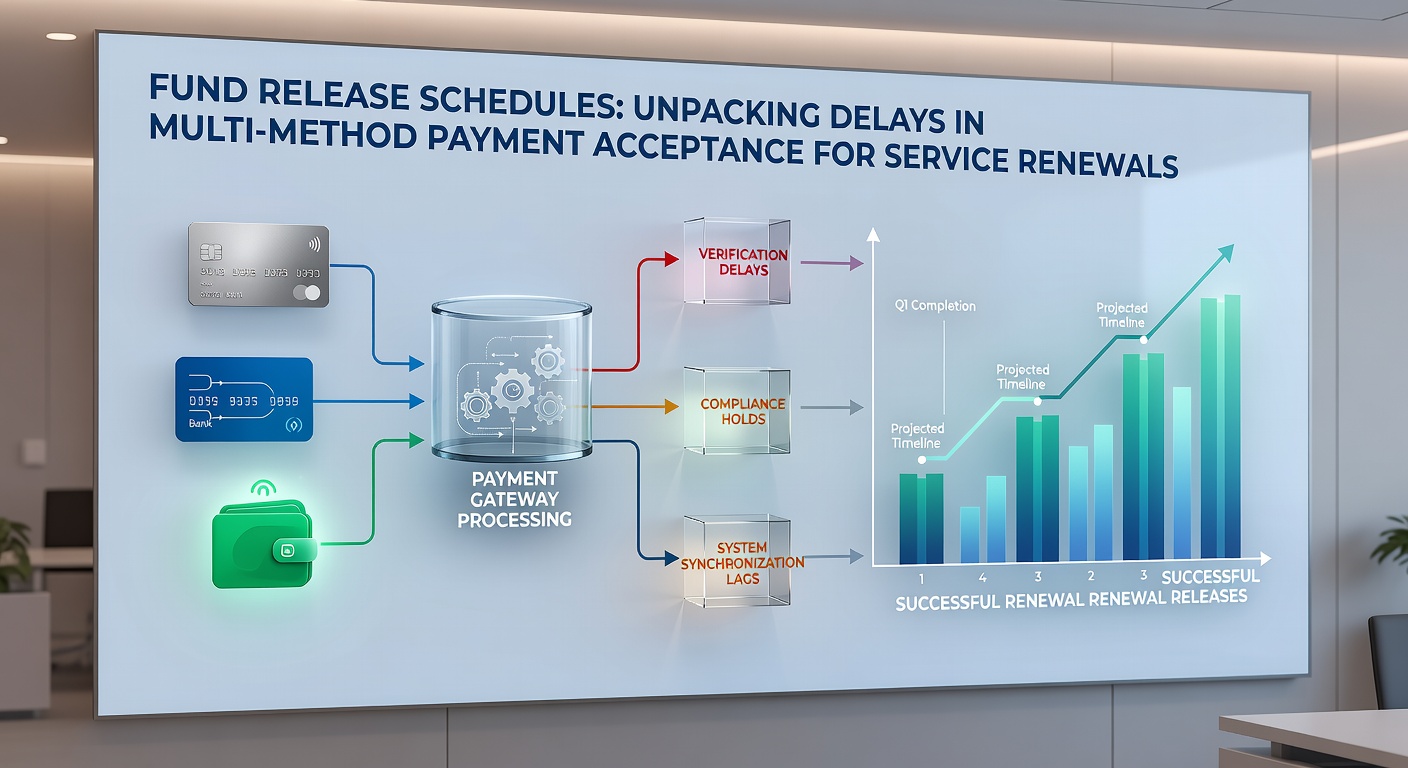
Verification requirements, bank holidays, and risk scoring models all stretch fund availability beyond baseline schedules. High-risk merchant categories trigger extra review periods where processors hold funds until chargeback windows close or until customer confirmation arrives. Weekend and holiday processing halts affect ACH more than card networks because bank clearing systems pause while card authorizations can continue through automated gateways. International renewals introduce currency conversion holds and cross-border compliance reviews that extend timelines by another two to four days in many documented cases.
Researchers discovered that volume spikes during renewal cycles sometimes prompt processors to apply temporary holds across multiple methods to manage overall exposure. These holds do not appear uniformly; a merchant might see card funds arrive on schedule while ACH deposits remain pending until volume normalizes.
Operational Effects on Renewal Workflows
Service providers who rely on predictable cash flow must adjust dunning sequences and account access rules when fund releases fall out of sync. Automated systems that grant continued service upon authorization rather than settlement create exposure windows during which a failed ACH transfer might later reverse a renewal that the provider already activated. Conversely, platforms that wait for full settlement risk customer churn when access gets delayed even though the payment cleared the network.
According to Federal Reserve payment system reports, same-day ACH volume has grown steadily yet many smaller gateways still route recurring items through standard batches that settle on a two-day cycle. This gap leaves service businesses balancing customer expectations for instant access against the reality that some payment types simply move slower through the banking infrastructure.
Developments Anticipated by June 2026
Industry groups tracking faster payment initiatives note that several networks plan expanded real-time settlement options that could compress current release windows for both card and bank transfer methods. The European Central Bank has outlined updates to its payment infrastructure that aim to shorten cross-border settlement by mid-2026, and similar programs in other regions target domestic ACH equivalents. Service providers who integrate these new rails early may reduce the spread between payment methods, although adoption requires gateway updates and customer education on which options support accelerated funding.
Payment data collected through 2025 shows gradual uptake of instant payment features among subscription merchants, yet legacy batch systems remain dominant for most recurring billing flows. Observers expect continued coexistence of traditional and accelerated schedules through at least June 2026 while infrastructure upgrades roll out across different processor networks.
Conclusion
Fund release schedules in multi-method payment environments reflect technical, regulatory, and operational realities that service providers must navigate when managing renewals. Credit cards, ACH transfers, and digital wallets each carry distinct settlement patterns that become visible only when merchants accept more than one channel on the same platform. As networks introduce faster options ahead of mid-2026 timelines, the gap between methods may narrow, yet current data indicates that blended payment acceptance will continue to require careful tracking of separate funding cycles for the foreseeable future.