How Analytics Platforms Expose Overlooked Expense Components in Hybrid Sales Setups for Service Providers
Ines Krause · Aug 7, 2026
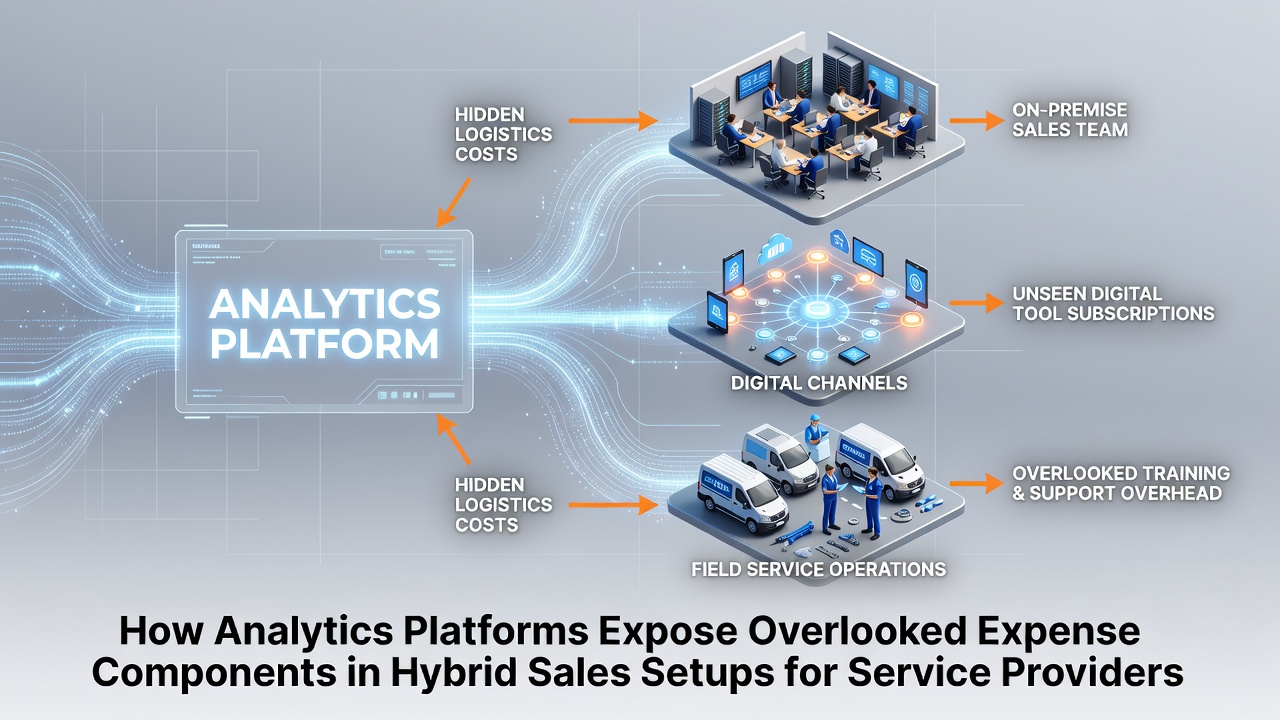
How Analytics Platforms Expose Overlooked Expense Components in Hybrid Sales Setups for Service Providers
Service providers operating hybrid sales models combine point-of-sale terminals with digital gateways to handle recurring transactions, and analytics platforms now break down costs that once remained buried in aggregated statements. These tools aggregate transaction data from multiple sources, then isolate variables such as tiered interchange rates, network assessment fees, and processor markups that fluctuate based on transaction type and timing. Data from the Federal Reserve shows that blended payment environments generate distinct cost layers depending on whether a charge routes through card networks or automated clearing house systems.
Hybrid Setups and Their Cost Structures
Service providers often run in-person hardware alongside subscription portals, which creates parallel streams where fees apply differently; terminals incur hardware rental charges plus per-swipe assessments, whereas online gateways add gateway fees and tokenization costs. Analytics platforms map these streams into unified reports that separate fixed monthly fees from variable per-transaction expenses, revealing patterns across thousands of entries. Researchers at academic institutions have documented how settlement timing differences between channels produce additional float costs that statements rarely itemize separately.
Platforms pull raw data feeds from processors and normalize them against industry benchmarks, which highlights discrepancies such as unexpected surcharges during peak renewal periods or untracked authorization hold impacts on working capital. One study released by Payments Canada in 2025 examined subscription service operators and found that hybrid setups carried an average of seven distinct fee categories per transaction batch, many of which appeared only after granular filtering.
Analytics Capabilities in Expense Detection
Modern platforms apply rule-based filters and machine learning models to scan transaction logs for anomalies, such as elevated decline recovery fees or cross-channel reconciliation mismatches. These systems flag components including PCI compliance add-ons, chargeback processing surcharges, and currency conversion margins that surface only when data segments are isolated by channel and date range. Observers note that service providers using these tools identify expense categories previously lumped into generic processor line items.
Case Examples from Service Operations
Take one equipment rental firm that integrated terminal hardware with retainer invoicing platforms; analytics output exposed recurring micro-fees tied to batch settlement delays that totaled several thousand dollars annually. Another example involves consulting networks blending client retainers with mobile invoicing, where platforms surfaced variable rate structures linked to digital wallet routing that standard reports had obscured. Data indicates these exposures occur because analytics engines correlate authorization timestamps with final funding dates across both physical and virtual channels.
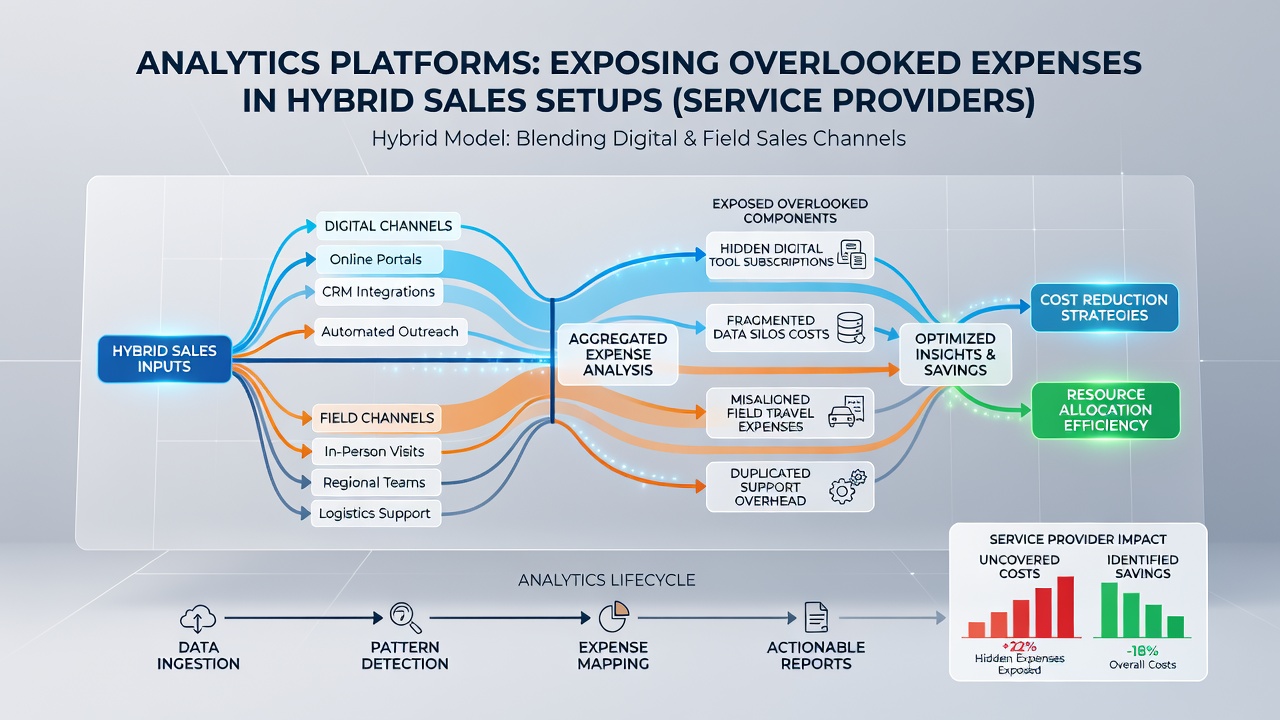
August 2026 reports from the Bank for International Settlements detail how real-time analytics adoption among mid-sized service firms increased by 28 percent year-over-year, driven by the ability to segment costs by transaction origin. The reports further note that providers who segment hybrid data streams reduce unallocated expense percentages from an average of 12 percent to under 4 percent within six months of implementation.
Integration with Existing Workflows
Platforms connect through API pulls from major processors and export standardized CSV or API outputs for accounting systems, which allows finance teams to trace specific line items back to individual transactions or batches. This connectivity exposes components such as reserve account deductions and early termination clauses that apply differently when a merchant maintains both terminal and gateway contracts with the same provider. Industry organizations tracking payment trends report that these integrations now support automated alerts when any single fee component exceeds historical thresholds by more than 15 percent.
Service providers in subscription delivery networks have used the resulting datasets to renegotiate contract terms after identifying duplicate network fees applied across channels, while virtual consulting platforms have adjusted invoice timing to minimize authorization hold durations. The process relies on continuous data ingestion rather than periodic statement reviews, which surfaces cumulative effects that monthly summaries compress into single totals.
Conclusion
Analytics platforms continue to refine segmentation methods that separate hybrid sales expenses into discrete, actionable categories. Service providers gain visibility into previously aggregated figures through systematic data mapping and cross-channel correlation, which supports more precise cost allocation across recurring and one-time transactions alike. As adoption expands, the same tools increasingly incorporate regulatory updates from multiple jurisdictions to maintain accuracy in fee classification.