How Delayed Fund Releases Shape Inventory Planning for Seasonal Market Sellers Using Mixed Digital and In-Person Order Systems
Theo Albrecht · Aug 19, 2026
How Delayed Fund Releases Shape Inventory Planning for Seasonal Market Sellers Using Mixed Digital and In-Person Order Systems
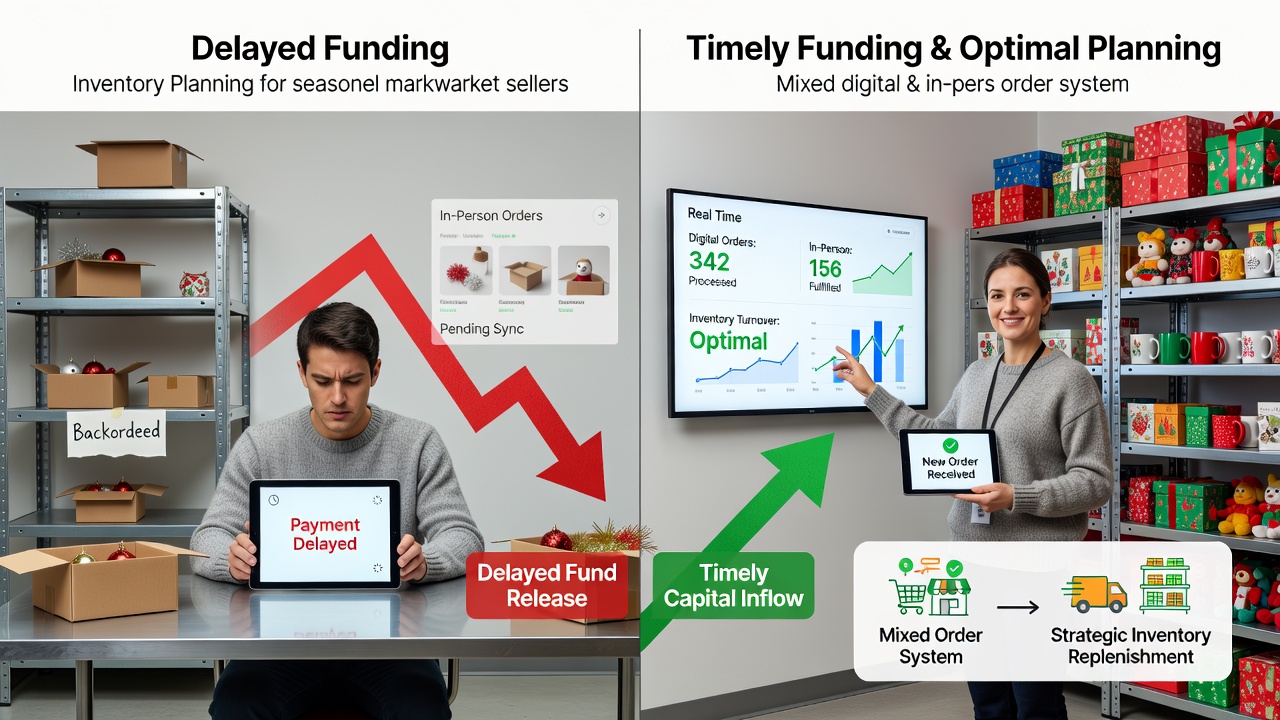
Seasonal market sellers who combine digital order platforms with in-person terminals face distinct cash flow patterns because fund releases arrive at different intervals depending on the payment method and processor. Digital channels often route transactions through gateways that batch settlements every one to three days while in-person card readers may trigger same-day or next-day deposits under certain conditions yet still encounter authorization holds that tie up portions of revenue for 24 to 72 hours. These staggered timelines create planning gaps that directly affect when merchants can reorder stock for upcoming market dates or holiday rushes.
Settlement Patterns Across Hybrid Payment Channels
Merchants operating both online storefronts and portable terminals record sales throughout the week yet observe that digital wallet payments and bank transfers frequently clear faster than certain card batches from physical devices. Data from the Federal Reserve shows average ACH credit settlement times ranging between one and two business days for verified business accounts while card networks impose additional review windows during high-volume periods. Observers note that when a seller processes a mix of pre-orders through an app and walk-up purchases at a weekend market the combined daily total may not become fully available until the following week which compresses the window for purchasing perishable or time-sensitive inventory items.
Inventory Replenishment Challenges During Peak Seasons
August 2026 marks the start of advance ordering cycles for many autumn and holiday vendors who must commit to supplier contracts weeks ahead of actual sales events. Delayed releases force these operators to either maintain larger cash reserves or negotiate extended payment terms with wholesalers which can increase overall costs. Researchers tracking small retail operations have documented cases where a two-day lag between transaction capture and fund availability led vendors to reduce order quantities by 15 to 20 percent in order to avoid overdraft risks. This adjustment in turn affects product variety available to customers and can limit revenue potential during short seasonal windows.
Case Examples from Market Operators
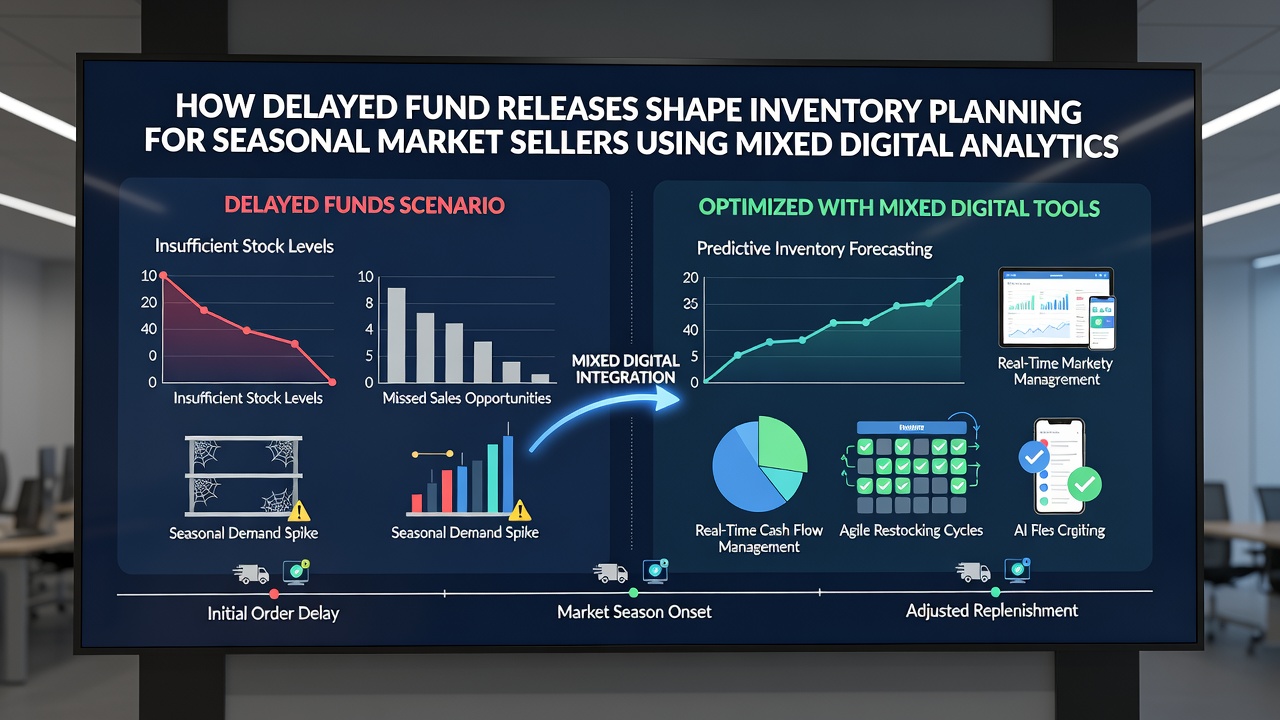
One group of regional farmers market participants who integrated app-based pre-orders with on-site card terminals discovered that settlement timing gaps required them to schedule supplier deliveries only after both payment streams had cleared. Another set of holiday craft sellers using the same hybrid setup reported shifting their largest inventory purchases to mid-week once weekend terminal batches posted thereby avoiding last-minute stock shortages. These patterns illustrate how payment infrastructure influences procurement calendars rather than the other way around.
Strategies Observed in Blended Operations
Sellers have adopted several approaches to align fund availability with inventory needs. Some maintain separate operating accounts dedicated to supplier payments and transfer cleared amounts daily once both digital and terminal batches post. Others negotiate volume-based advances from processors that provide partial liquidity against upcoming settlements. Reports from industry monitoring groups indicate that operators who forecast settlement calendars alongside sales projections experience fewer stock disruptions during concentrated market seasons. These practices rely on accurate tracking of each channel's release schedule rather than assumptions about uniform availability.
Broader Market Data and Timing Effects
Figures released by the Bank of Canada on retail payment flows reveal that hybrid merchants experience average liquidity shortfalls of 18 to 36 hours more frequently than single-channel counterparts during seasonal spikes. This extended gap compounds when multiple high-volume days occur consecutively because overlapping authorization holds reduce accessible capital precisely when reorder decisions must be made. Vendors who map these cycles in advance can time supplier invoices to coincide with expected deposit windows and thereby maintain steadier inventory pipelines.
Conclusion
Delayed fund releases in mixed digital and in-person systems create predictable constraints on inventory planning for seasonal market sellers. The timing differences between channels require deliberate scheduling of purchases and in some cases adjustments to order volumes or supplier terms. As operators continue to refine their use of both order types the relationship between settlement schedules and stock management remains a central factor in maintaining consistent product availability throughout peak periods.