How Settlement Cycle Variations Influence Liquidity Management for Virtual Consulting Platforms Blending Client Retainers with Mobile Invoicing
Theo Albrecht · Jul 1, 2026
How Settlement Cycle Variations Influence Liquidity Management for Virtual Consulting Platforms Blending Client Retainers with Mobile Invoicing
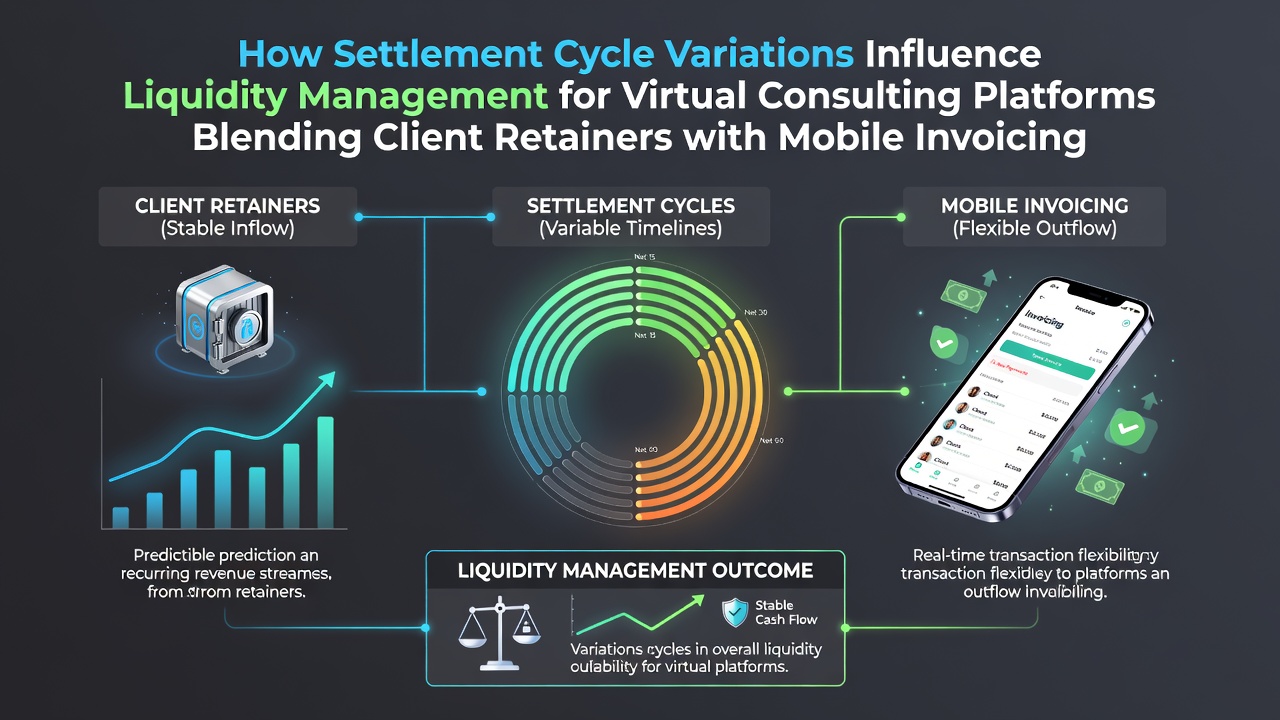
Virtual consulting platforms operate in an environment where client retainers provide recurring revenue while mobile invoicing handles project-based charges, yet settlement cycle variations introduce timing mismatches that directly affect available cash. Credit card settlements often clear within one to three business days, whereas ACH transfers extend to three to five days and some international wires stretch longer, forcing platforms to align incoming funds with operational outflows such as contractor payments and software subscriptions.
Core Mechanics of Settlement Cycles in Blended Systems
Settlement occurs after authorization when funds move from the payer’s account to the platform’s merchant account, and variations arise because each method follows distinct network rules established by card associations, banking networks, and regional processors. Platforms that combine monthly retainers processed through stored credentials with on-demand mobile invoices encounter staggered inflows, since retainer batches may settle faster than individual mobile charges routed through different gateways. Observers note that July 2026 updates to certain processor schedules shortened some ACH windows by one day in select markets, yet these adjustments still leave gaps when mobile invoicing spikes coincide with retainer due dates.
Those who manage these platforms track daily reconciliation reports that list expected settlement dates alongside actual deposits, revealing patterns where mobile invoices submitted mid-week settle after weekend processing delays. Retainers, often billed on the first of the month, create predictable clusters, but the addition of mobile invoicing for ad-hoc work disrupts the rhythm when those charges route through slower rails.
Liquidity Pressure Points Created by Timing Gaps
Liquidity management requires maintaining sufficient balances to cover expenses during the interval between invoice issuance and fund arrival, and settlement variations amplify this need when retainers clear quickly while mobile invoices lag. Platforms frequently maintain reserve accounts sized to cover average daily outflows multiplied by the longest typical settlement period observed across their payment mix. Data from payment processors shows that combining credit-card retainers with ACH-based mobile invoices can extend the average cash-conversion cycle by two to four days compared with uniform-method operations.
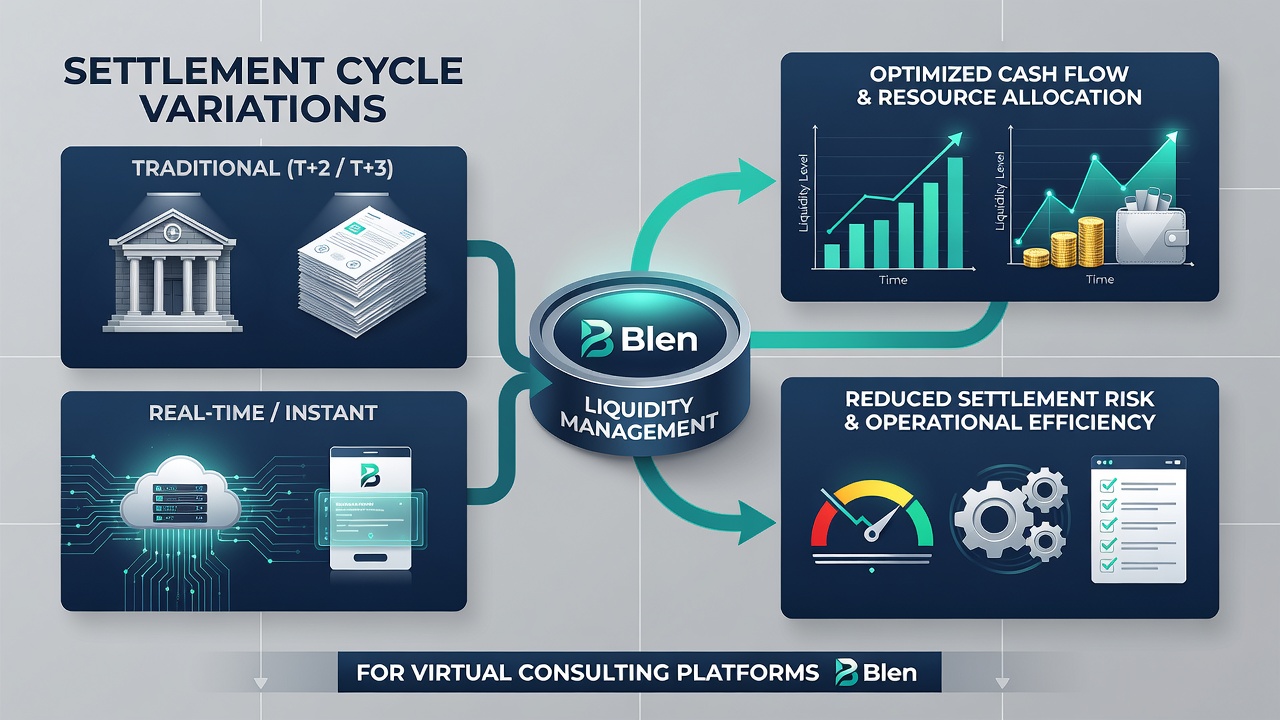
Experts at institutions such as the Federal Reserve track these dynamics through aggregate settlement data, indicating that platforms accepting multiple methods experience greater variance in end-of-day balances. When a surge of mobile invoices lands on a Thursday and settles the following Tuesday, platforms must either draw from reserves or delay vendor payments to bridge the gap, creating knock-on effects for contractor satisfaction and service continuity.
Operational Adjustments Observed Across Platforms
Many virtual consulting operators segment payment streams by expected settlement speed, routing retainer collections through faster card rails while directing larger mobile invoices toward ACH when clients prefer lower fees. This segmentation reduces average float but requires dual gateway integrations and separate reconciliation processes that increase administrative overhead. Research from the European Central Bank highlights similar segmentation strategies among service providers, where blended models demand precise forecasting models updated weekly to account for seasonal invoice volume shifts.
Automated cash-flow dashboards now pull settlement estimates directly from processor APIs, allowing platforms to project available liquidity three to seven days ahead and trigger short-term credit lines only when projected shortfalls exceed preset thresholds. Those dashboards flag upcoming retainer collections against pending mobile settlements, giving finance teams visibility into net position before payroll or subscription renewals hit.
Regulatory and Network Influences on Cycle Lengths
Network rules and regional regulations shape settlement windows, with same-day ACH options available in the United States for an additional fee while SEPA credit transfers in Europe settle within one business day under standard conditions. Platforms operating across borders must therefore maintain separate liquidity buffers calibrated to each jurisdiction’s typical timelines, since a retainer collected in one region may fund mobile invoicing obligations in another. July 2026 saw several processors expand instant settlement pilots for high-volume clients, yet eligibility criteria still exclude many smaller consulting operations that rely on mixed payment streams.
Compliance teams monitor these developments because changes in network cut-off times or holiday schedules can shift settlement dates by an extra day, requiring preemptive adjustments to reserve levels. Platforms that fail to recalibrate buffers after such shifts report temporary overdraft events even when monthly revenue remains stable.
Conclusion
Settlement cycle variations remain a structural feature of blended retainer and mobile invoicing models rather than a temporary inefficiency, compelling virtual consulting platforms to embed timing forecasts into every liquidity decision. Operators that align payment routing with settlement realities, maintain calibrated reserves, and integrate real-time reconciliation tools demonstrate more consistent cash availability despite ongoing differences in clearing speeds across methods and regions. Continued evolution of processor schedules and regulatory frameworks will likely keep these timing considerations central to financial planning for the foreseeable future.