Navigating Variable Rate Structures for Food Truck Operators Blending Mobile Terminals with App-Based Preorders
Theo Albrecht · Jun 24, 2026
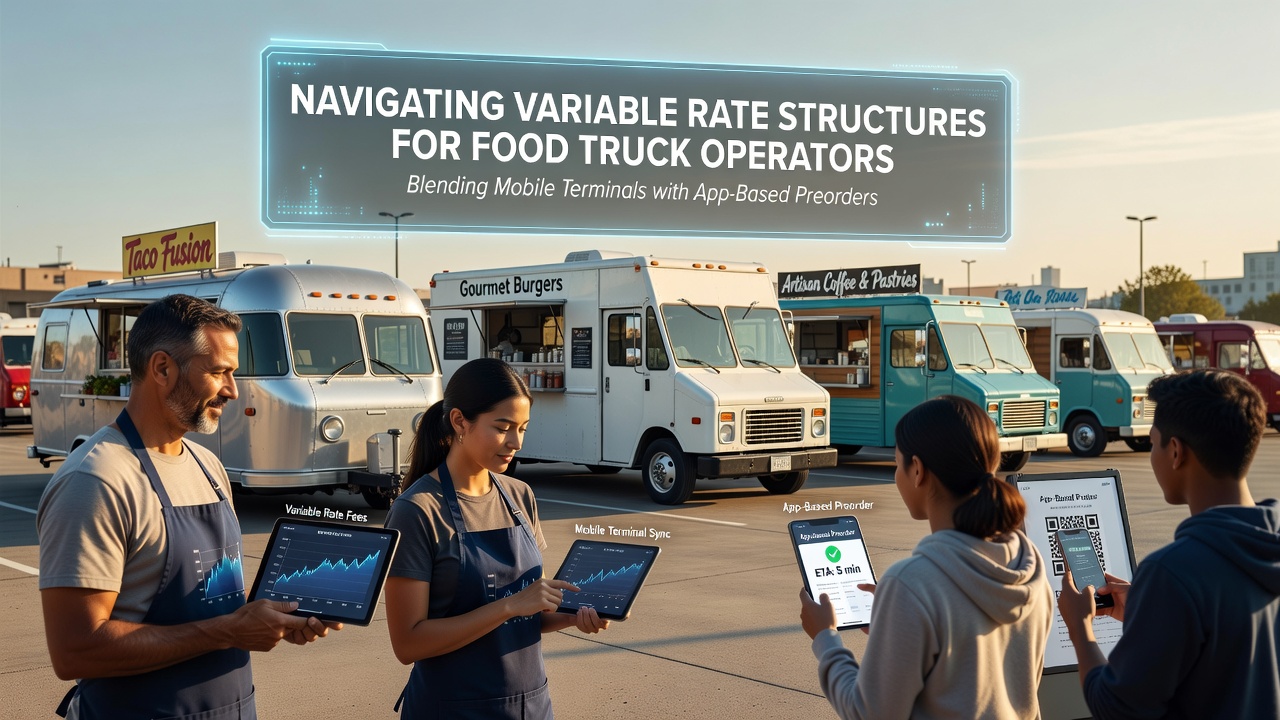
Navigating Variable Rate Structures for Food Truck Operators Blending Mobile Terminals with App-Based Preorders
Food truck operators across urban markets have integrated mobile terminals with app-based preorder systems to handle fluctuating customer volumes, and payment rate structures play a central role in these setups. Variable rates tied to card networks, processor markups, and transaction types create layered expenses that shift based on volume, timing, and method combinations. Data from industry reports shows operators managing these blends often track interchange categories that differ for in-person terminal swipes versus app-initiated digital orders.
June 2026 figures from payment network updates indicate continued adjustments in base interchange levels for quick-service categories, which directly affect food trucks blending on-site hardware with remote app channels. Those who studied transaction logs note that terminal-based credit card authorizations frequently carry different qualification criteria than preorder entries routed through digital gateways, leading to separate fee calculations within the same daily batch.
Understanding Mobile Terminals in Food Truck Operations
Mobile terminals allow operators to accept card payments directly at service windows or curbside locations, while app-based preorders route customer selections and payments through integrated platforms before arrival. Observers note that this combination reduces on-site wait times yet introduces distinct routing paths for funds, each subject to its own rate variables. Research indicates terminal hardware often connects to processors that apply tiered pricing depending on card type and authorization method, whereas app preorders may route through gateway services that add separate assessment fees.
Operators handling high volumes during lunch rushes frequently see terminal transactions qualify under different interchange brackets than scheduled preorder batches, and this distinction becomes visible in monthly statements. Studies from regional merchant associations reveal that food trucks averaging 200 mixed transactions daily encounter rate spreads that widen when terminal volumes spike relative to app activity.
App-Based Preorders and Their Rate Implications
App platforms enable customers to select menu items and complete payments ahead of time, which shifts some authorization timing away from peak service hours. According to transaction analyses, these preorder entries often process through digital channels that apply network fees based on card-not-present criteria, even when the actual pickup occurs in person. Blending this channel with mobile terminals means operators must reconcile two separate fee schedules within unified reporting tools.
Blending Terminal and App Methods: Cost Layering
When food truck operators combine mobile terminals with app preorders, the resulting payment mix creates overlapping cost layers that require careful segmentation. Terminal swipes typically qualify for lower interchange when cards are physically present, yet app preorders may trigger higher categories due to their remote initiation. Data shows these differences compound when processors apply volume-based discounts only to aggregated totals rather than segmented streams.
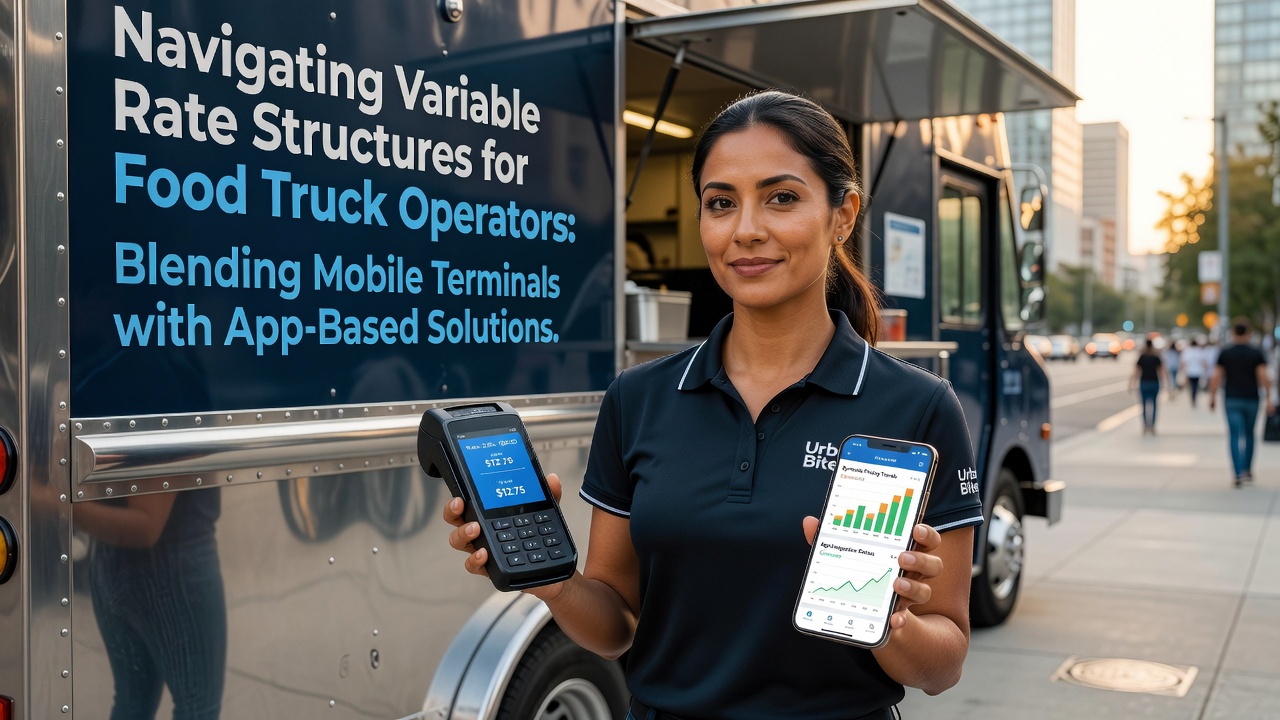
One study revealed that operators who segment reports by channel identify savings opportunities by adjusting how preorder batches settle against terminal batches. Those who've examined settlement timing gaps observe that app-initiated payments sometimes release funds on schedules offset from terminal deposits, affecting daily cash flow calculations. Regulatory guidance from the Consumer Financial Protection Bureau outlines disclosure requirements for such blended merchant accounts, ensuring operators receive clear breakdowns of each rate component.
Rate Variables Across Payment Channels
Variable structures encompass interchange fees set by card networks, processor markups, and any gateway assessments applied to digital orders. Research from North American payment associations indicates that food truck operators see these components fluctuate with factors like average ticket size and monthly volume thresholds. Terminal transactions may qualify for reduced rates under certain card-present programs, while app preorders align more closely with e-commerce pricing tiers.
Figures reveal that June 2026 adjustments to network rules introduced new qualification paths for hybrid transactions, prompting operators to review how their blended setups map against updated criteria. Those monitoring statements report that combining channels without proper segmentation can push marginal transactions into higher brackets, increasing overall expense percentages.
Practical Approaches to Rate Management
Operators have adopted reporting tools that separate terminal and app data streams to isolate rate variables. Industry examples include vendors who route preorder confirmations through dedicated merchant accounts to maintain distinct pricing, while terminal activity flows through separate identifiers. Canadian payment research highlights similar patterns among mobile vendors who track authorization holds separately for each channel to prevent unintended fee escalations.
Payment processors offer dashboards that flag when blended volumes approach tier thresholds, allowing adjustments before statements finalize. Observers note that maintaining clear records of channel-specific activity supports compliance with network rules and simplifies reconciliation during audits.
Conclusion
Food truck operators blending mobile terminals with app-based preorders encounter distinct rate variables that require segmented tracking and ongoing review of network updates. Transaction data from 2026 demonstrates how these blended environments produce layered expenses tied to authorization methods, settlement timing, and volume distributions. Resources such as Federal Reserve payment studies adn reports from the Payments Canada research portal provide operators with benchmarks for evaluating their specific setups. Effective navigation depends on accurate channel segmentation and regular alignment with current interchange structures.