Pop-Up Shop Operators Navigating Settlement Timing Gaps in Blended Mobile and Online Payment Systems
Sam Friedrich · Aug 26, 2026
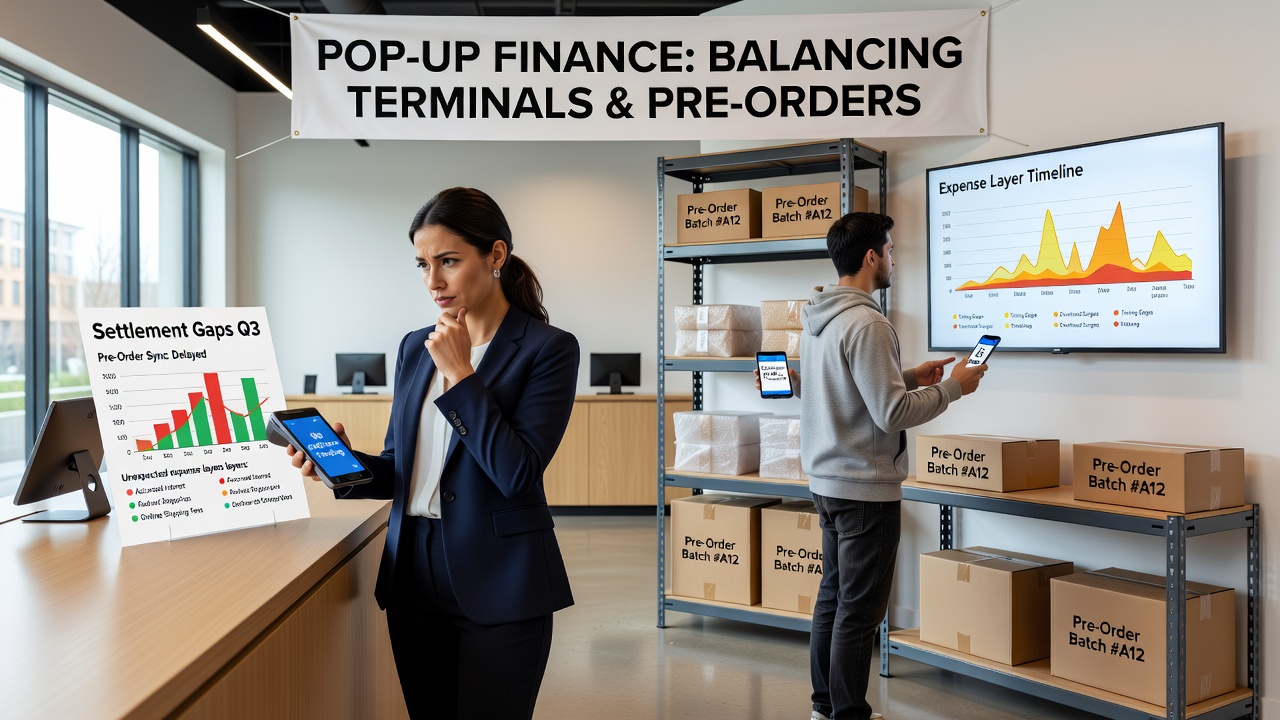
Pop-Up Shop Operators Navigating Settlement Timing Gaps in Blended Mobile and Online Payment Systems
Pop-up shop operators often combine mobile terminals for on-site sales with online pre-order platforms to manage inventory and customer flow, yet settlement timing gaps between these channels create layered expense structures that shift throughout each cycle. Data from payment processors indicates credit card transactions processed through terminals typically settle within one to two business days while online pre-order systems relying on ACH transfers or delayed card captures extend that window to three or five days depending on the gateway configuration. Observers note these differences force operators to maintain separate cash reserves which in turn influences borrowing costs and opportunity expenses across the operation.
Core Mechanics of Settlement Timing in Hybrid Setups
Mobile terminals authorize and capture payments in real time during events yet the funds reach merchant accounts on a schedule set by the acquiring bank and card networks. Online pre-orders collected days or weeks ahead often route through gateways that batch ACH pulls or hold card authorizations until fulfillment which introduces additional delays. Research from the Federal Reserve shows average ACH settlement cycles run between one and four days for standard entries while same-day options carry premium fees that add directly to per-transaction expense layers. Those gaps compound when operators reconcile daily terminal batches against weekly or bi-weekly online deposits leading to temporary shortfalls that require bridge financing or reduced reinvestment in stock and marketing.
Expense Layers Affected by Timing Variations
Interchange fees remain consistent across channels but the timing mismatch affects how operators absorb ancillary costs such as terminal rental charges, gateway subscription tiers, and float interest. A single pop-up event might generate immediate terminal revenue that clears quickly while pre-order funds linger in processing pipelines creating uneven liquidity that raises the effective cost of short-term capital. Figures from industry reports reveal operators managing both systems simultaneously report up to 12 percent higher combined processing overhead compared with single-channel peers because reconciliation software and accounting adjustments become necessary to track the staggered inflows accurately.
Patterns Observed Across Different Event Types
Seasonal markets and temporary retail installations demonstrate consistent patterns where pre-order volume peaks two to three weeks before the event yet terminal sales spike on-site. This front-loading of online collections versus immediate terminal captures produces predictable cash flow troughs around setup periods when operators must cover deposits for space, staff, and supplies before either revenue stream fully settles. In August 2026 payment networks introduced updated batch reporting standards that shortened some online gateway disclosures by one day for verified merchants yet terminal processors maintained their existing timelines creating new alignment challenges for operators who must now adjust forecasting models mid-cycle.

Take one operator who coordinates weekend craft markets with advance ticket sales through an app-based system. Terminal batches from Saturday and Sunday events clear by Tuesday while app-based pre-orders processed via ACH settle the following Thursday or Friday depending on weekend cutoffs. The resulting four-day gap requires the business to front payroll and restocking costs from existing reserves which adds measurable interest or opportunity expenses that appear in monthly financial reviews as indirect processing overhead.
Adjustment Strategies Documented by Operators
Merchants address these timing gaps through staggered payout scheduling offered by some gateways or by routing a portion of pre-orders through faster card capture options despite higher base rates. Data indicates that shifting 30 percent of online volume to same-day settlement programs reduces average float periods by two days though it elevates per-transaction fees by 0.25 to 0.40 percentage points. Those trade-offs appear in expense ledgers as deliberate cost reallocations rather than pure savings and require ongoing monitoring as network rules evolve. European Central Bank statistics on cross-border and domestic payment cycles show similar timing variances in blended retail environments where operators balancing physical and digital channels encounter comparable reconciliation burdens.
Additional tactics include negotiating custom settlement calendars with acquirers or consolidating both terminal and gateway activity under a single processor that offers unified reporting dashboards. Such consolidations reduce the number of reconciliation entries yet may lock operators into volume commitments that affect long-term pricing tiers. Observers have documented cases where these unified setups lowered administrative overhead by 18 percent while leaving the underlying settlement timing gaps intact and therefore preserving the original expense layer dynamics.
Conclusion
Settlement timing gaps between mobile terminal batches and online pre-order processing continue to shape expense structures for pop-up shop operators through uneven liquidity patterns, reconciliation demands, and selective fee trade-offs. Available data from regulatory sources and processor reports demonstrate that these gaps persist even as networks introduce incremental adjustments such as those noted in August 2026. Operators who track both channels separately and apply targeted routing decisions manage the layered costs more predictably while those relying on default configurations absorb the timing variances as ongoing operational overhead.