The Hidden Math of Blended Rate Structures in Niche Equipment Rental Renewals Using Terminal and Digital Mixes
Gisela Lehmann · Jul 31, 2026
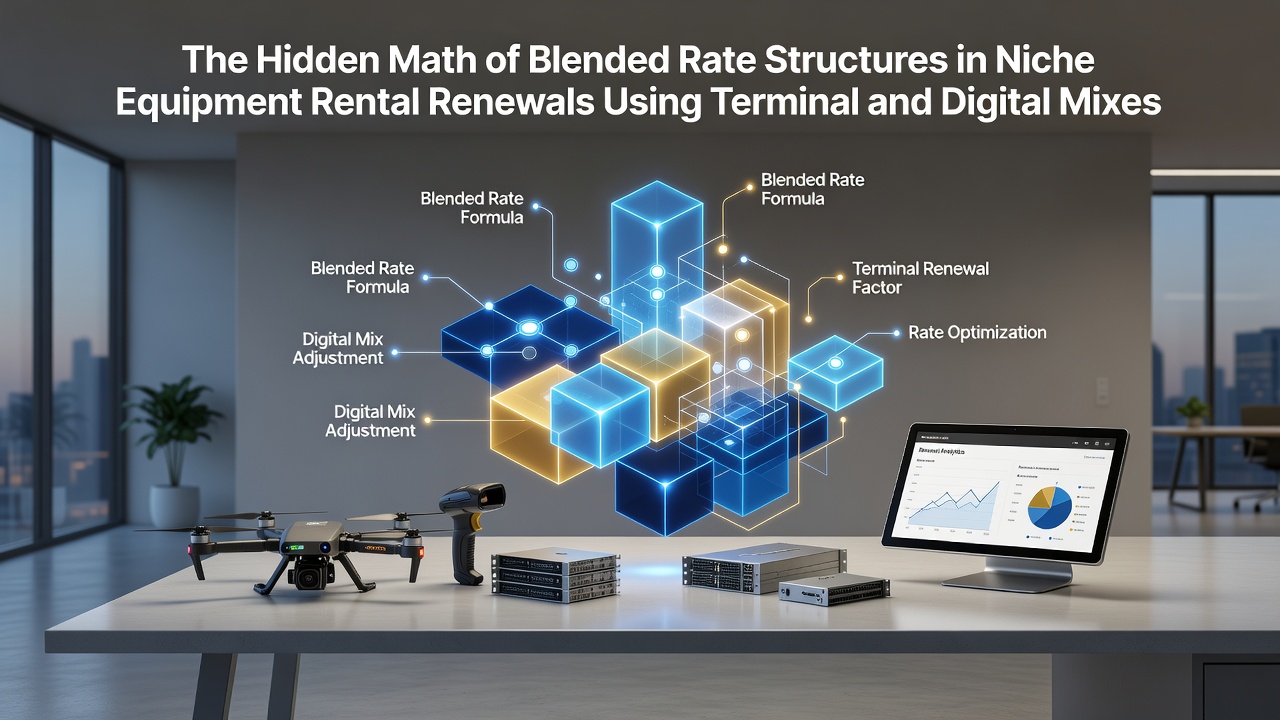
The Hidden Math of Blended Rate Structures in Niche Equipment Rental Renewals Using Terminal and Digital Mixes
Equipment rental operators who combine physical terminals with digital gateways for recurring renewals encounter layered pricing models that blend interchange fees, processor markups, and fixed charges into single effective rates. These structures appear straightforward on monthly statements yet conceal variations that shift with transaction volume, card type, and settlement timing.
Core Components of Blended Pricing
Blended rate structures consolidate multiple cost elements into one percentage or flat fee per transaction, whereas separate line items for authorization, settlement, and network assessments remain hidden from the displayed rate. Researchers at payment processing firms have documented how rental businesses often see quoted rates between 2.5 and 3.2 percent plus ten to thirty cents per swipe or online capture, yet actual costs fluctuate when high-value equipment leases trigger different interchange categories. Data from the Federal Reserve shows that card-not-present renewals processed through digital gateways typically incur higher baseline interchange than terminal-captured transactions because issuers classify them under different risk tiers.
Operators who track renewals over successive billing cycles discover that terminal and digital mixes produce uneven fee accumulation when customers alternate between on-site hardware payments and app-based retainer top-ups. One study released by an industry analytics group revealed that equipment rental portfolios averaging 400 monthly renewals experienced a 0.18 percentage point variance in effective cost once digital wallet transactions exceeded 25 percent of total volume.
Renewal Timing and Settlement Variables
Renewal cycles in niche sectors such as construction tools, medical devices, and specialized event equipment follow predictable monthly or quarterly patterns that interact directly with settlement windows. Terminals often settle same-day or next-day while digital gateways may batch over two to three business days, creating temporary mismatches that affect available funds for inventory restocking. Figures released by payment networks indicate that delays compound when authorization holds remain open across weekend periods common in rental schedules.
Those who model these flows note that a single blended rate fails to account for how weekend renewals processed through digital channels incur additional network fees not present in weekday terminal batches. Settlement timing gaps therefore become part of the hidden math that determines whether a quoted rate delivers the expected margin on high-value leases.
Volume Thresholds and Tier Adjustments
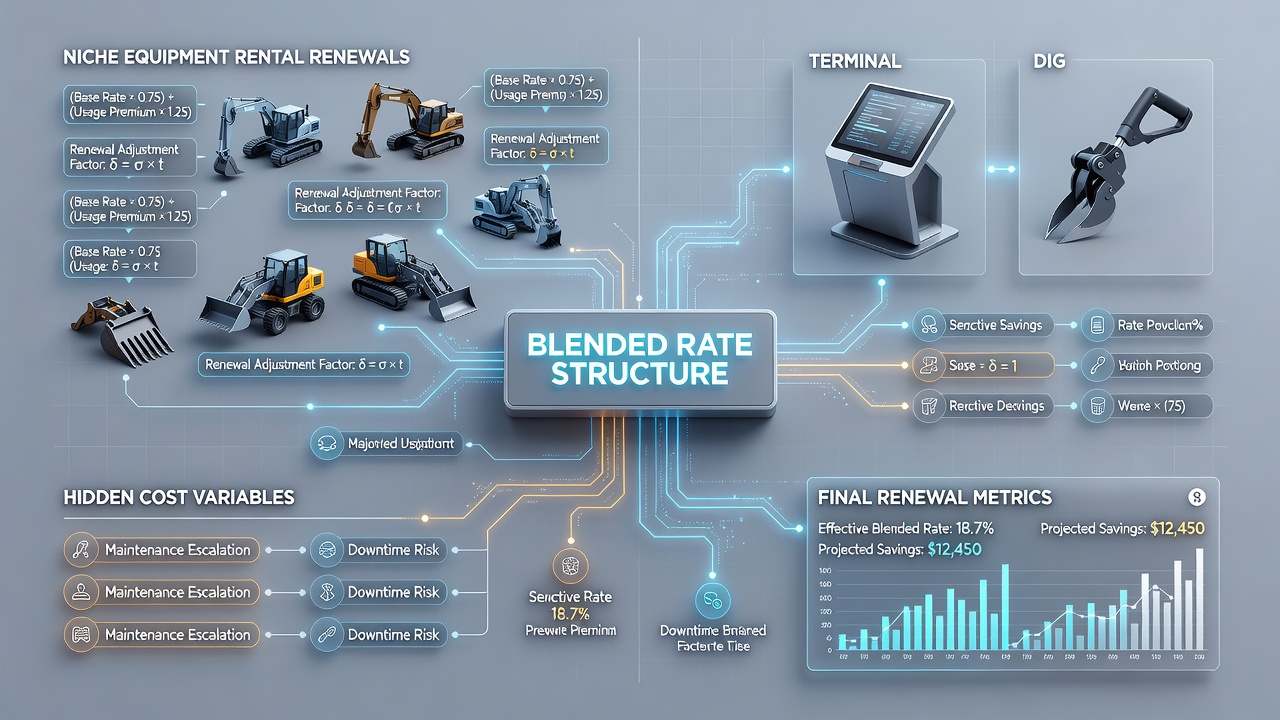
Many processors apply tiered pricing that resets when monthly volume crosses specific thresholds, yet blended quotes rarely disclose the precise trigger points. Equipment rental firms that grow from 200 to 600 transactions per month frequently cross into lower percentage bands, but only if the mix of terminal and digital payments remains balanced. Research compiled by the European Central Bank on payment cost structures highlights that volume-based adjustments can reduce effective rates by 0.15 to 0.35 percentage points once thresholds are met, provided card-present and card-not-present proportions stay within processor-defined corridors.
July 2026 updates to interchange tables in several regions introduced new subcategory distinctions for recurring equipment leases, requiring operators to reclassify certain digital renewals that previously fell under general subscription categories. These adjustments altered the math for businesses that had locked in multi-year blended agreements without volume review clauses.
Practical Calculation Methods
Merchants who isolate terminal versus digital volumes before applying blended rates obtain clearer pictures of net costs. Spreadsheet models that separate authorization fees from settlement fees and add network assessments per transaction type reveal deviations that single-rate statements obscure. Observers note that equipment rental companies maintaining separate ledgers for each channel report more consistent margin projections across renewal seasons.
Case data from mid-sized rental fleets shows that shifting 15 percent of renewals from terminal to digital gateways can increase total processing expense by 4 to 7 percent annually when the blended rate does not include separate digital wallet surcharges. The reverse shift produces corresponding savings only when terminal volume remains high enough to qualify for preferred tiers.
Conclusion
Blended rate structures in niche equipment rental renewals depend on accurate segmentation of terminal and digital transaction streams, precise tracking of settlement cycles, and awareness of volume thresholds that trigger adjustments. Operators who apply these distinctions maintain tighter control over renewal margins while processors continue to refine pricing models in response to evolving payment mix patterns.